Security

One HTTP Request to Take Over Your Site: Kirki Plugin Flaw CVE-2026-8206 Is Under Mass Exploitation

2026.06.05 · 38 views
One HTTP Request to Take Over Your Site: Kirki Plugin Flaw CVE-2026-8206 Is Under Mass Exploitation

CVSS 9.8, 500,000 sites affected, ~150,000 still at risk — a textbook unauthenticated admin-account hijack

If your WordPress site runs the Kirki — Freeform Page Builder plugin, stop what you're doing and check the version now. In early June, the security world flagged CVE-2026-8206: an unauthenticated privilege-escalation flaw in Kirki's password-reset function, rated CVSS 9.8, affecting versions 6.0.0 through 6.0.6. The plugin has over 500,000 installs, and an estimated 150,000 sites remain exploitable.


1. One HTTP Request Is All It Takes


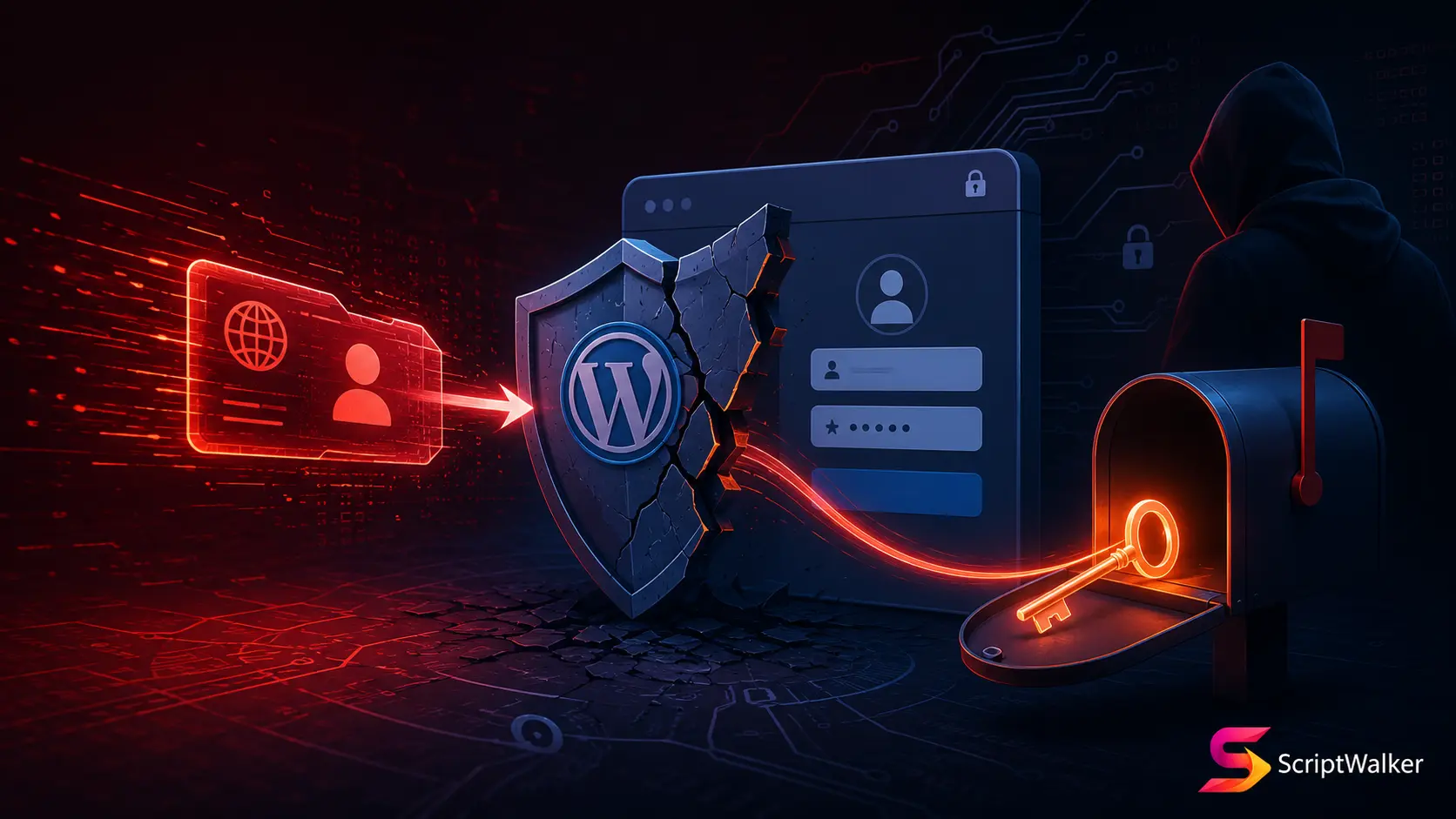
What makes it terrifying is how absurdly simple it is. The problem sits in the password-reset handler (handle_forgot_password): when an attacker supplies a valid username, the handler accepts an arbitrary, attacker-supplied email and sends the reset link to that attacker-controlled inbox. So an attacker only has to send one HTTP request — with a known username such as admin and their own email — to take over any account, administrators included, with no authentication and no user interaction.


2. It's Already Happening


This isn't theoretical. Security firm Defiant (parent of Wordfence) reported that in the past 24 hours alone its firewall blocked over 222 attack attempts against customers. The Kirki team has shipped patched version 6.0.7, which now validates that the supplied email actually matches the account before sending a reset link. All admins are strongly urged to update to 6.0.7 or later immediately.


My Take


Another classic crash from trusting user input. Whatever email the attacker types is where the system sends the reset link — violating the most basic rule in security: never trust data from the client. The issue isn't deep wizardry; it's one validation that should have happened and didn't.


The bigger theme is plugins as attack surface. WordPress core is relatively solid; the real breaches almost always come through third-party plugins — every plugin drops someone else's code onto your lifeline. So: keep a plugin inventory and a minimal-install rule, removing anything unused; automate your update cadence so security updates go out same-day; add a WAF at the server layer to block mass scanning during the patch window; and tighten admin paths, file permissions, and REST API authorization. The lethal part of unauthenticated flaws is that the attack needs no prerequisites — the one thing you control is not leaving your external attack surface larger than necessary. Security is never one magic weapon; it's the boring fundamentals done every single day.


Sources