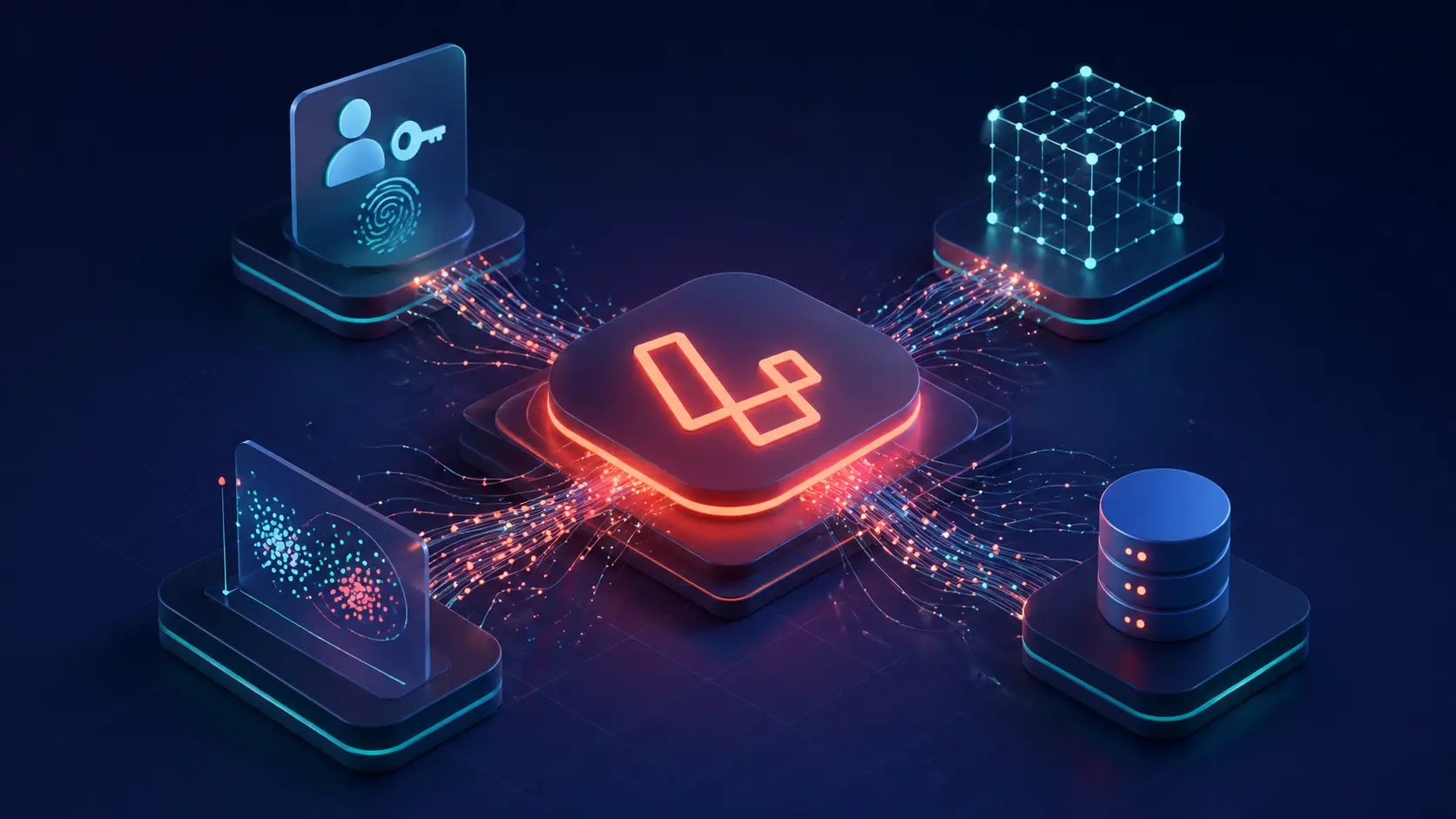
Laravel 13 在 2026 年 3 月 17 日正式釋出,光看 release notes,這個版本的份量大概等於過去三個版本加起來。可是沒有大改、沒有遷移週末、從 Laravel 12 升上來只要 10 分鐘——而這正是為什麼這次更新對大多數團隊「悄悄產生影響」。PHP 8.3 變成最低門檻,而這個門檻撐住的是:原生第一方的 Laravel AI SDK、原生 pgvector 相似度搜尋、整合進 Fortify 與 starter kit 的 Passkey 驗證,以及一輪更完整的 PHP attribute 語法(控制器、授權、佇列任務都吃得到)。
如果你 2026 年還在做 PHP——接案、SaaS、品牌方內部產品團隊——Laravel 13 等於把「在自家系統做 AI 功能」的成本壓下一個數量級。這些功能聽起來都不花俏,但它們其實就是過去你需要三個套件、兩個 SDK、一層自製抽象才能做出來的那些「無聊基礎建設」。現在統統內建。
一、Laravel AI SDK 是這版的主角
新的 AI SDK 提供統一、不綁特定供應商的介面:文字生成、tool-calling agent、embeddings、語音、圖片、向量資料庫,全部在同一個 API 表面。寫的還是 Laravel 風格的程式碼;OpenAI 換成 Anthropic、Anthropic 換成 Gemini,只需要改 config。在這版之前,要乾淨地做到這件事,要嘛採用一個永遠落後官方的第三方套件,要嘛自己刻一層 facade。第一方 SDK 把這個爭論直接結束掉。
二、向量搜尋只剩一個 migration 的距離
Laravel 13 原生支援 pgvector。你可以直接用字串產生 embedding,然後用第一級 query 語法做相似度搜尋。再加上 AI SDK,做語意搜尋、RAG(用自己資料庫當知識庫)、AI 輔助商品推薦,全程都在你已經熟到不能再熟的 Eloquent 表面操作,不用脫離 Laravel 生態。
三、Passkey 已經內建了,請不要再上線新的密碼表單
Passkey 驗證現在是 Fortify 與新版 starter kit 的第一方功能。以前要做 WebAuthn 無密碼登入,動輒數週工程量;現在就是 starter kit 的一個勾選。考慮到 2026 年的現實——「憑證外洩」是入侵事件最常見的前置條件——你 2026 年還上線一個「以密碼為主」的新認證流程,已經沒有什麼能站得住腳的理由了。
四、Attribute 把 magic string 的稅降下來
Laravel 13 把 PHP attribute 支援推到整個框架。#[Middleware]、#[Authorize]、#[Tries]、#[Backoff]、#[Timeout]、#[FailOnTimeout] 全部升級為第一公民。你的 controller、policy 與 queue job 變得自我描述,IDE 終於拿到它需要的靜態訊號,才能安全地做大規模重構。
我的觀點
過去一年我從 PHP 團隊聽到最多的話是:「我們很想做 AI 功能,但我們不想把整套後端重寫成 Python。」Laravel 13 是第一個版本——把這個抱怨當成一回事,而且不是用一篇部落格回答你,而是直接把基礎建設做進框架裡。AI SDK + pgvector + Passkey 不是那種會上熱門新聞的「爆款發表」,但它是整整十年裡,對 PHP 生態最具戰略意義的一次 release。原因只有一個:它把「為什麼要把 AI 切成另一個團隊去做」最後一條技術藉口,砍掉了。你現有的 Laravel codebase,只要一個週末,就能跑 embedding、語意搜尋、以及一個直接操作你的 domain model 的 tool-using agent。這以前要一個季、一個新團隊。2026 下半年會贏的團隊,就是比競爭對手早一步看見這次轉折的那一群。
資料來源
- What We Know About Laravel 13 — Laravel News
- Release Notes | Laravel 13.x — 官方文件
- Laravel 13 released: features and upgrade guide — Benjamin Crozat
- PhpStorm 2026.1 Released — Laravel News
- State of PHP 2026