Opening narrative + deep analysis
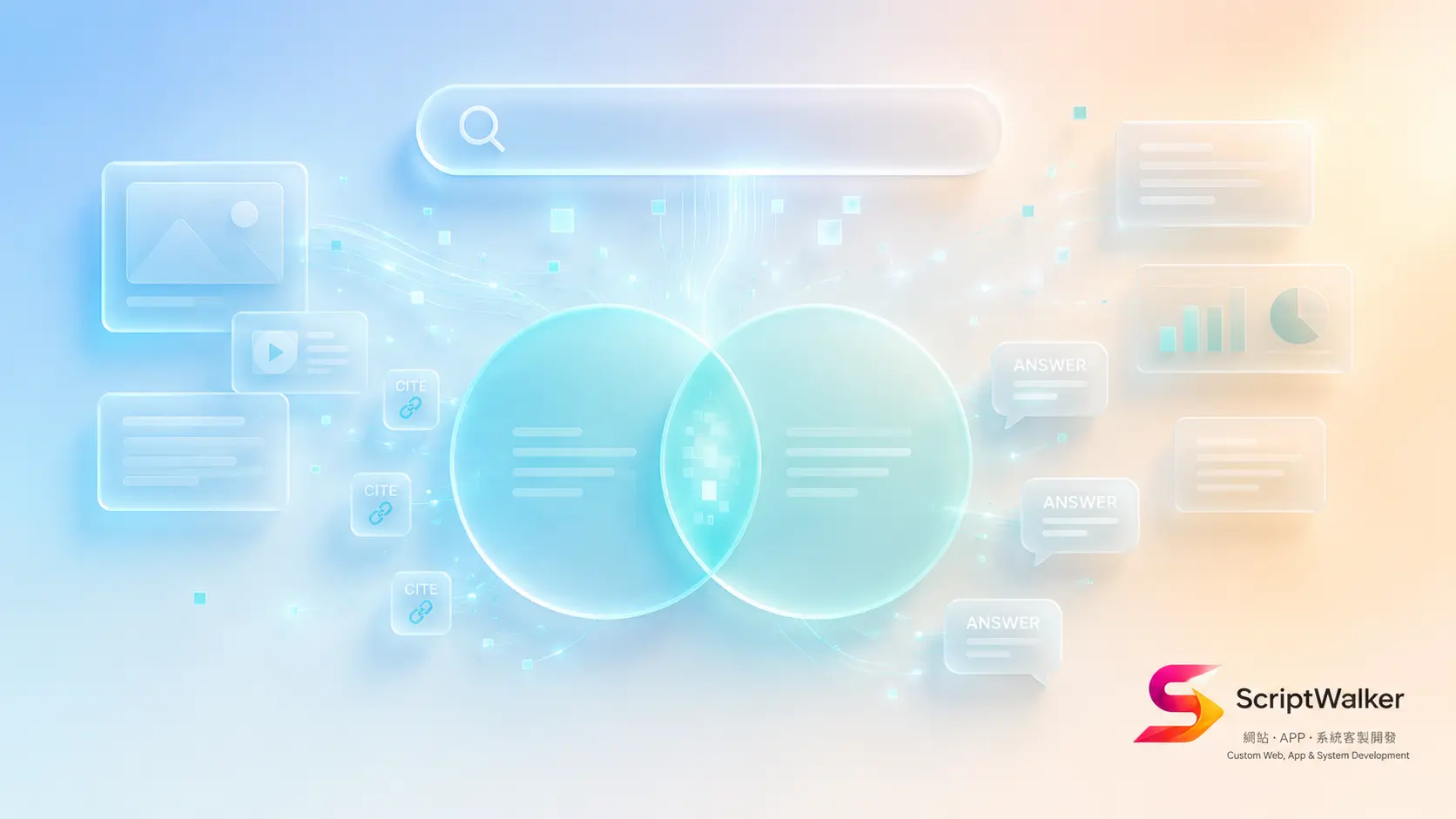
Conductor's just-released 2026 AEO/GEO Benchmarks Report dropped a number that should make marketing teams squirm: the overlap between AI answer citations and Google's organic top 10 is only 12% — and on ChatGPT it's even lower, just 8% overlap with Google/Bing. The report analyzed roughly 21.9 million searches, and landing now (July 2026), at the peak of a half-year GEO frenzy, it puts a big question mark over the default assumption that "do SEO well and AI will cite you."
To understand that 12%, look at the year's market structure. Over the past 12–18 months, the "answer layer" went from fringe to main stage: AI Overviews now appear on about 25.11% of queries, average market coverage 34.5%, peaking at 47% this January. In the same window, a wave of GEO/AEO tools (Profound, Evertune, Scrunch, Bluefish...) raised money on one core promise: "get you surfaced in AI answers." That 12% overlap is under a microscope now because it strikes at the foundation of that promise: if AI citation is decoupled from ranking, how much of your rank-focused budget actually buys AI visibility?
Line up the peer data: Pew Research finds 88% of AI summaries cite three or more sources and only 1% cite a single source — meaning AI is "multi-source assembly," not "winner takes all." And ChatGPT hit 900 million weekly active users in February 2026, taking roughly 87.4% of AI referral traffic. The category isn't fragmenting; it's converging on "one super-entry (ChatGPT) + a citation logic unlike ranking."
For SMBs, the real question is: should you treat GEO as yet another paid SaaS subscription for the sake of an 8% overlap? Below I break down the event details, three roles' actions, a tool comparison, and a no-subscription DIY route.
Event details + full numbers
Key numbers worth keeping: AI-citation overlap with Google top 10 is 12%, ChatGPT vs Google/Bing only 8%; AI Overviews coverage 25.11%, average market coverage 34.5%, January peak 47%; 88% of AI summaries cite 3+ sources, only 1% cite one; ChatGPT 900M WAU, 87.4% of AI referral traffic. Who benefits? Sites with deep, well-structured content, first-hand data, and clear authorship — AI prefers to assemble "verifiable, attributable" passages. Who loses? Sites still ranking on bought backlinks and keyword stuffing with thin content — their rank dividend doesn't convert into citations. That's why some sites "rank #1 on Google but don't exist inside ChatGPT."
Immediate actions for three readers
- Brand owners / SMB owners: don't rush to buy a GEO subscription. Ask your top 10 target questions on ChatGPT, Perplexity, and Google AI Mode, and manually log "were we mentioned, which page were we linked to." This 30-minute manual baseline is more honest than any dashboard.
- Marketers / SEO operators: reshape content to be "assemblable" — a clear conclusion sentence per section, key numbers cited inline, FAQs, clean
<h2>/<h3>structure, and visible author + updated date. Exactly what this article is doing. - Developers / agencies: add Article/FAQPage structured data, clean semantic HTML, and fast LCP. Machines must parse you before they can cite you.
SaaS tool comparison
| Tool | Focus | Rough pricing | Best for |
|---|---|---|---|
| Profound | Cross-engine brand visibility tracking | Enterprise (hundreds USD/mo+) | Mid-large brands with budget |
| Scrunch AI | AI visibility monitoring + content advice | Mid-high | Brands with content teams scaling up |
| Evertune | Share-of-answer analysis in models | Enterprise | Marketing teams focused on brand voice |
| Manual baseline (DIY) | Run prompts + spreadsheet log | Near-zero | Budget-conscious SMBs |
What they won't tell you
- These tools measure "visibility," not "sales": being mentioned by AI ≠ a click ≠ a purchase. ChatGPT citations are high-variance (rerun the same question, a brand appears then vanishes) — chasing a jittery metric wastes effort.
- Report numbers can shift overnight with engine policy: citation logic is a black box; one model update can move coverage and overlap dramatically. Locking a quarterly budget to one report's percentages is risky.
The no-subscription SMB alternative
- Keep a Google Sheet of 20 target questions; weekly, run each on ChatGPT / Perplexity / Google AI Mode and log "mentioned? which page?"
- Content side: add FAQs, lead with conclusions, cite key numbers inline, show author + date, add structured data.
- Tech side: ensure pages are crawler-readable (not pure JS render) and Core Web Vitals are green.
- This DIY route costs a few hours a month — far less than a year of SaaS.
FAQ
Is SEO dead?
No. SEO is still the groundwork that makes content machine-parseable and citable — structure, speed, and authority signals all still matter. What changed: ranking no longer automatically equals AI citation; you must additionally shape content to be "assemblable and attributable."
Do SMBs really need to buy a GEO tool?
Most don't. First run a free manual baseline to see your real standing in AI answers, then decide whether scaling justifies paying. On a tight budget, spending on content depth and structured data has a better return.
How do I know if AI is citing me?
The most direct way is to ask. Run your top target questions on ChatGPT, Perplexity, and Google AI Mode a few times each and see if you're mentioned and which page is linked. Rerun, because citations vary.
Does structured data actually help?
It helps machines correctly understand what your page is about, who wrote it, and when it was updated. It's a necessary (not sufficient) condition for being cited — without it, you raise your own barrier to entry.
My take (contrarian)
The mainstream narrative is "GEO is the new SEO, get on board and buy tools." My call: for 90% of SMBs, the best move in H2 2026 isn't buying a third monitoring dashboard — it's rewriting existing content into an "AI-assemblable" shape, which costs zero subscription. The 12% overlap doesn't tell you to abandon SEO; it reminds you that ranking and being cited are two different exams, and the latter tests content verifiability and structure, not how many backlinks you bought. The takeaway for ScriptWalker is a clear productization opportunity: package "structured data + semantic HTML + Core Web Vitals + FAQ content engineering" into a fixed-price "AI visibility foundation" build — more honest and more deliverable than selling a jittery monthly monitor.