Anthropic 釋出了 2026 Agentic Coding Trends Report,最關鍵的數字是 LinkedIn 上沒人想拿出來吹噓的那一個。報告對已將 agentic coding 投產的多家公司資深工程師做了普查,結論是:開發者在大約 60% 的工作裡使用 AI,但能「完全委派」的任務只有 0–20%。「我有在用」跟「我敢讓它收尾」之間的這道縫,就是 2026 年真正、會反映在帳上的瓶頸。
報告點出八個趨勢,其中三個值得這週列印貼牆。
一、SDLC 從以週計變成以小時計
規格、實作、測試、文件,如果同一個 agent 一次走完四步,週期時間瞬間崩到原本的十分之一。重新圍繞這件事重整流程的團隊看到 5–10 倍速度紅利;只是把 agent 釘在舊瀑布流上的團隊只多 5–10%,然後質疑「炒作過頭了吧?」
二、單一 agent 正在演化成階層式多 agent 團隊
不再是一個 Claude Code session 幹完所有事,贏家模式是:一個 orchestrator agent 分派任務給多個專家 sub-agent——schema agent、query agent、security agent、doc agent——各自跑在獨立 context 視窗中。這同時解決了 context 腐朽,並讓 agent 的執行軌跡可審計。
三、長時間 agent 已經以「天」為單位
任務地平線從「畫一個 function」延伸到「上線一個小服務」,agent 只會在策略性的人類檢查點暫停。一個有趣的副作用:程式碼審查正從「這個 PR 有沒有跑起來」轉變為「這次跑了三天的 agent,有沒有遵守我們給它的意圖規格?」
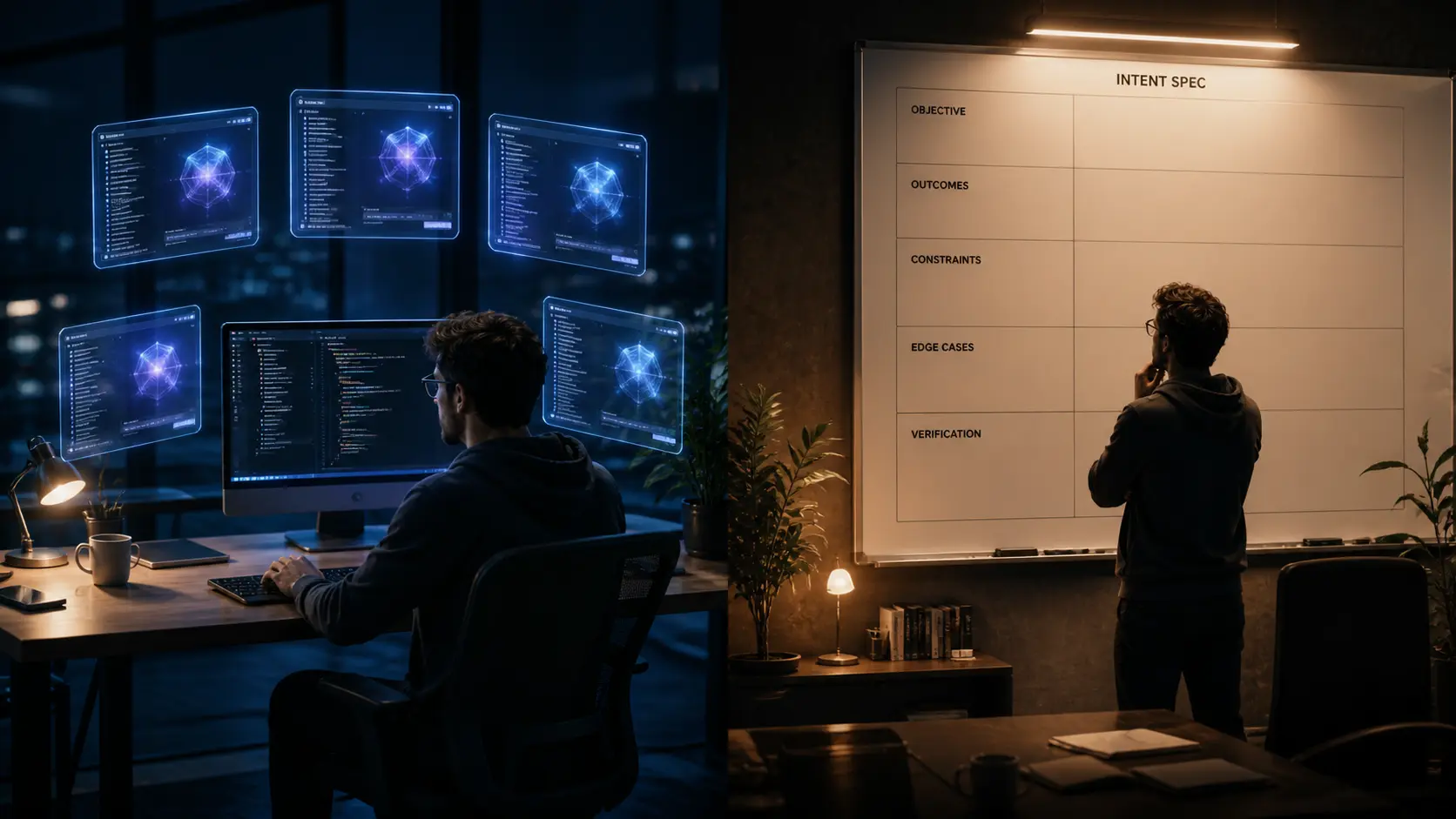
最後那個詞——意圖規格(intent spec)——是這份報告最具體可操作的貢獻。工程師之所以只敢完全委派 0–20% 的任務,是因為委派需要持續性脈絡:目標、產出、約束、邊界情況、驗證方式。沒有這些,每一次 agent 跑都是即興演出。有了這些,同一個任務就從「0–20% 那一欄」移動到「日常出貨」那一欄。
PHP 與資料庫團隊這週的具體作業
為每一個非瑣碎 PR 寫一份 intent.md。五個段落,最多一頁:Objective(目標)、Outcomes(reviewer 預期看到的 diff)、Constraints(Laravel 12、MySQL 8、不能裝新套件)、Edge Cases、Verification(一行 php artisan test --filter=...)。沒錯,這看起來像 2010 年代的規格書。重點是:2010 年代的規格書是給已經有脈絡的人類看的;2026 年的規格書,是給一個下午要冷讀它五次的 agent 看的。
不要再一次性處理 DB migration。改用多 agent 模式:schema agent 產 migration、query agent 重寫所有受影響的 Eloquent 查詢、security agent 跑授權稽核、docs agent 更新 API spec——由同一個 Claude Code session、讀同一份 intent.md,統一編排。
把那個 0–20% 當成路線圖,不是天花板。把團隊任務畫在「委派成熟度」軸上。今天落在 0% 的任務(資料遷移、Auth 變更、所有碰錢的東西)不是 AI 做不到,而是它們的 intent spec 你還沒寫。
我的觀點
三年前的問題是「要不要用 AI 寫程式?」兩年前是「哪個模型最強?」2026 年的問題沒那麼性感:「我們的規格有沒有寫到一個程度,讓我們已經付過費的模型可以收尾?」Anthropic 這份報告,與其說是技術 roadmap,不如說是一個安靜的提醒:agentic coding 的最後贏家不會是模型最炫的那些隊,而是終於學會把自己想要什麼寫清楚的那些隊。
資料來源
- 2026 Agentic Coding Trends Report — Anthropic
- 2026 Agentic Coding Trends Report (PDF) — Anthropic
- Anthropic's Agentic Coding Report: Orchestration Without Intent Is Just Expensive Guessing — Pathmode
- What Anthropic's 2026 Agentic Coding Report Means for Engineering Teams — Hivetrail
- 8 Agentic Coding Trends Shaping Software Engineering in 2026 — Tessl