Web Development & SEO

Google's March 2026 Core Update Is Complete — and the Rules of SEO Just Got Rewritten by AI

2026.04.24 · 51 views
Google's March 2026 Core Update Is Complete — and the Rules of SEO Just Got Rewritten by AI

First-hand expertise, semantic intent, and author trust now outweigh keywords and backlinks — here's what developers and site owners need to know

After twelve long days of volatility, Google officially confirmed on April 8 that its March 2026 Core Update — which began rolling out on March 27 — is complete. For developers, content creators, and SEO professionals, the dust is now settling, and the picture emerging is both subtle and profound: this wasn't merely another quality tweak. It was the first major core update of the post-AI-Search era.


What changed — and what didn't


On paper, Google's public language was familiar. The company called it a "broad core update designed to better surface relevant, satisfying content for searchers from all types of sites." Translation: no one signal got an explicit thumbs-up or thumbs-down. But observed outcomes across analytics dashboards tell a sharper story.


Sites with thin, generic coverage — especially AI-generated or lightly edited scraped content — lost rankings faster and deeper than in any update since the Helpful Content System in 2022. Meanwhile, pages backed by genuine subject-matter expertise, strong internal linking, and clear author attribution either held steady or gained ground. Semantic intent matching, freshness, and on-page experience signals carried more weight than they did even six months ago.


For those of us who still remember when stuffing keywords and buying backlinks actually worked, this feels like the final funeral for classic SEO.


The AI elephant in the search box


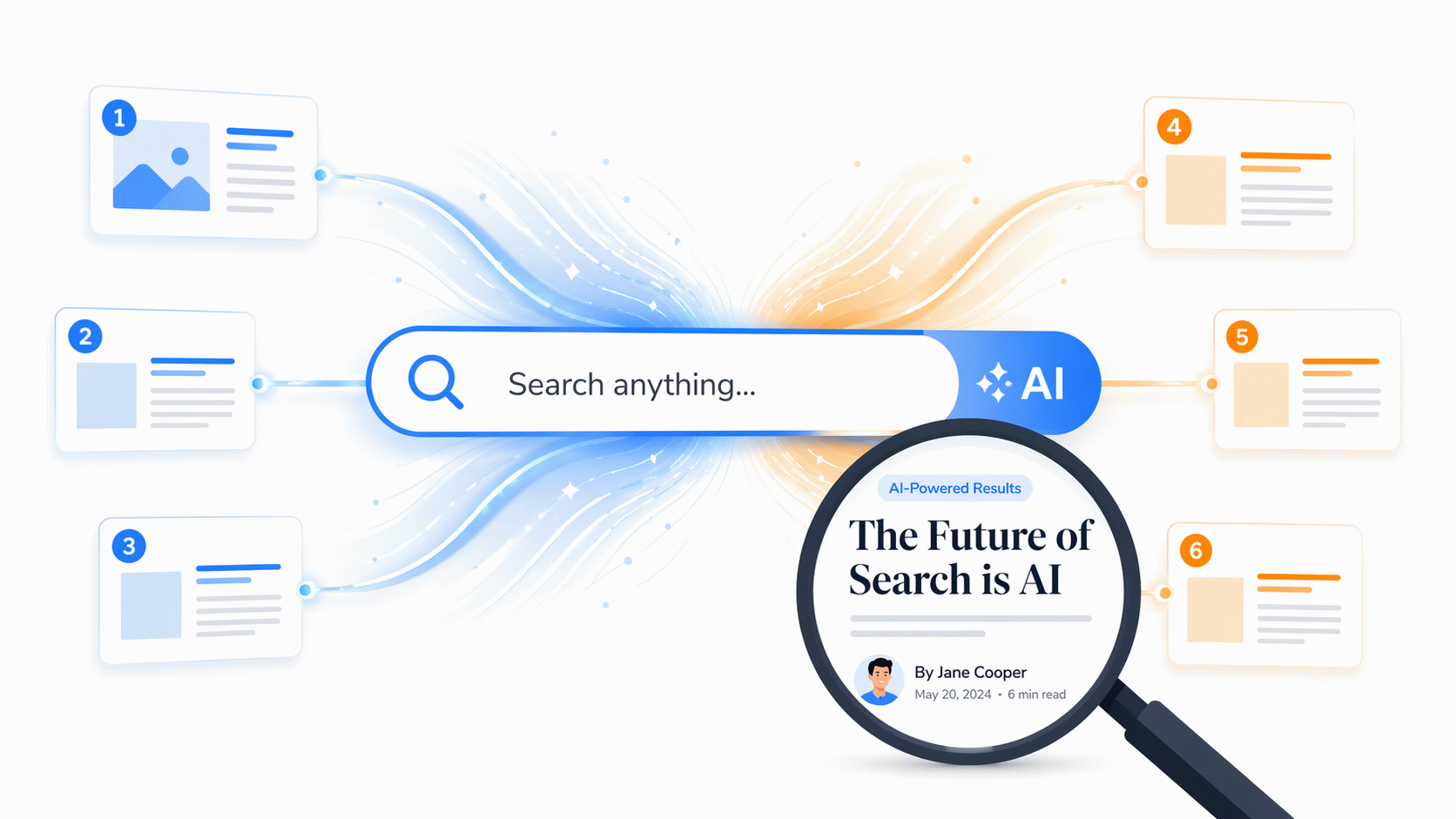
Here's what makes this update different from any that came before: Google Search is no longer a keyword-matching service. In 2026, it is an AI-first retrieval and synthesis layer. AI Overviews, conversational follow-ups, and agentic search actions are no longer lab experiments — they're the default experience for hundreds of millions of users.


What that means in practice: the query a user types is no longer what Google ranks against. The AI system expands it, decomposes it into sub-questions, and pulls evidence from dozens of sources before synthesizing an answer. Your content isn't competing for one ranking — it's competing to be cited as a trustworthy evidence source across many.


This is why E-E-A-T (Experience, Expertise, Authoritativeness, Trustworthiness) suddenly feels less like marketing jargon and more like survival gear.


What web developers and site owners should do now


First, audit your information architecture. AI retrieval systems love structured, entity-rich content. Clear headings, explicit author bios, proper schema markup, and tight internal linking help AI systems understand and cite you. Core Web Vitals, server-side rendering, and clean semantic HTML matter more than ever — not because Google is checking a box, but because faster, more accessible pages are easier for crawlers and AI indexers to parse.


Second, lean into firsthand content. Case studies, original data, your own screenshots, your own benchmarks. Generic summaries of things everyone else already wrote are in the worst possible position after this update.


Third, watch your GA4 segments. If organic traffic dropped but engagement metrics held, you likely lost visibility but not relevance — recoverable with content depth upgrades. If both dropped, you have a deeper trust or relevance issue.


My take: SEO is dead. Long live semantic publishing.


I'll say what a lot of people in the industry are already thinking: traditional SEO as a discipline is over. What replaces it isn't "AI SEO" — it's semantic publishing. The winners of 2026 are sites that are built to be understood by machines and trusted by humans at the same time.


That's a much higher bar than "rank for the keyword." It means technical SEO engineers, content strategists, and subject-matter experts have to actually work together. It means your CMS needs to support structured data natively. It means the days of outsourcing content to a $0.02-per-word content farm are finally, mercifully, over.


The March 2026 update isn't the end of the road — it's the signal that the road has forked. Sites that adapt get indexed, cited, and driven traffic by AI-powered search. Sites that don't will watch their traffic graphs turn into ski slopes. Welcome to the post-keyword internet.


Web Development & SEO Back to Blog