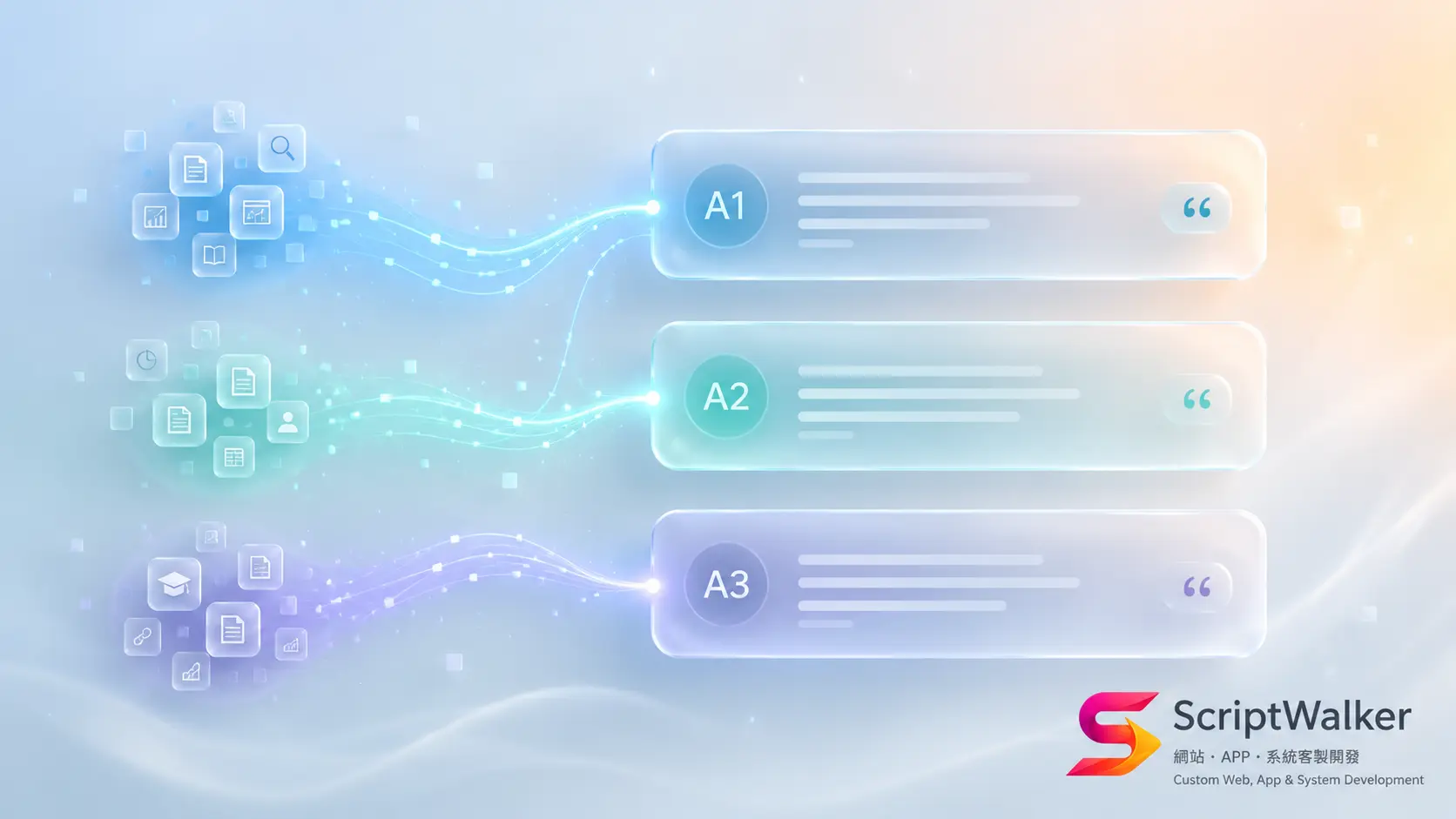
In June 2026, a synthesis lit up the GEO world: 5W's AI Platform Citation Source Index 2026 aggregated over 680 million citations across ChatGPT, Google AI Overviews, Perplexity, Gemini, and Claude. The shock number: only 11% domain overlap between ChatGPT and Perplexity; the max overlap between any two engines is 17%, most at 2–14%. The GEO you imagined is actually five disconnected markets.
To see why, look at the last 18 months. As search moved from blue links to an answer layer, each engine's sourcing diverged: Google AI Overviews now appear in ~half of searches and keep ~54% overlap with organic; ChatGPT leans heavily on Wikipedia (26–48% of its top-10); Perplexity favors Reddit (~46.7%) and real-time sources. The same question yields three different source sets.
Cross-study, the conclusion holds: Reddit is the largest single source (~40%), but the top 15 domains capture 68% of all AI citations — more concentrated than Google PageRank ever was. The category is splitting into per-engine authority lists, and the pile of AEO tools sells on that anxiety.
Next: how SMBs should allocate GEO budget, and which cheap DIY moves beat a SaaS subscription.
Event Detail: The Numbers
- Tiny overlap: ChatGPT × Perplexity only 11%; max 17% between any two.
- Diverging preference: ChatGPT → Wikipedia (26–48%); Perplexity → Reddit (~46.7%); Google AIO → ~54% organic overlap, favors YouTube.
- High concentration: top 15 domains = 68% of all AI citation share.
- Traffic value: AI Overview citations earn ~35% more clicks; Perplexity visitors convert ~11x organic.
Immediate Actions for Three Audiences
- Brand owners / SMB: stop asking how to do GEO, ask which engine your customers use. B2C leans Perplexity/ChatGPT — work Reddit and Wikipedia citability; local services live in Google AIO — do SEO and Google Business.
- Marketers / SEO: track visibility per engine, not one score.
- Developers / agencies: nail machine-readability — clean semantic HTML, Schema.org, stable URLs, extractable facts. The only common denominator all three eat.
SaaS Tool Comparison
| Tool | Focus | Price tier | Best for |
|---|---|---|---|
| Profound | Cross-engine citation tracking | Enterprise (high) | Mid-large brands |
| Scrunch AI | Visibility + competitor compare | Mid | Marketing teams |
| Otterly.AI | Affordable rank tracking | Low–mid | SMB / solo brands |
| DIY (GA4 + manual) | Zero subscription | ~0 | Budget-tight, hands-on |
What They Won't Tell You
- These tools measure whether you are cited — they do not guarantee you get cited. Most AEO SaaS sells a dashboard, not a ranking guarantee.
- If you are not in the top 15, forcing your way in has terrible ROI. SMBs should bet on channels they can enter, not chase the leaderboard.
No-SaaS DIY Alternative for SMBs
- Cross-reference GA4 referral/unassigned traffic and tag sessions from chat.openai.com, perplexity.ai.
- Each month, ask the 3 engines 10 customer questions and log who is cited.
- Add FAQPage and Article structured data to your 3 best pages; make fact paragraphs extractable.
FAQ
Are GEO and SEO the same thing?
Not entirely. Google AI Overviews overlap ~50% with organic, so there GEO is close to SEO; but ChatGPT (Wikipedia) and Perplexity (Reddit) cannot be reached by traditional SEO.
With limited budget, which engine first?
Find where your customers are. Local businesses prioritize Google AIO; knowledge/B2B/younger audiences weight ChatGPT/Perplexity, so strengthen Wikipedia and genuine Reddit threads.
Must I buy an AEO tool?
Not necessarily. Tools monitor visibility but do not raise it. On a budget, GA4 plus monthly manual queries captures ~80% of the intel.
Does structured data help AI citation?
Yes, but it is table stakes, not a guarantee. Clean semantic HTML plus Schema.org lets engines extract your facts — the common denominator all three accept.
My Take
The mainstream says do GEO now or get left behind. My contrarian call: for most SMBs, chasing five-engine visibility wastes money, because the top 15 domains own 68% and you cannot break in. The smart spend is maxing the cross-engine common denominator: structured data, clean HTML, stable URLs, extractable facts — an agency's technical strength. ScriptWalker's opportunity: a fixed-price AI-readability technical audit plus structured-data rollout, more honest and deliverable than vague GEO consulting.
Sources
- Primary: 5W AI Platform Citation Source Index 2026
- Primary: Google Search Central — AI features
- Primary: Schema.org documentation
- Third-party: 150+ AI SEO statistics
- Third-party: ChatGPT vs Perplexity citation/conversion