Cybersecurity

Rockstar Games Breached: The Supply Chain Security Warning Behind 78.6 Million Leaked Records

2026.04.17 · 52 views
Rockstar Games Breached: The Supply Chain Security Warning Behind 78.6 Million Leaked Records

ShinyHunters Exploited a Third-Party Integration Flaw to Infiltrate Snowflake Data Warehouse — Gaming Industry Becomes a Target Once Again

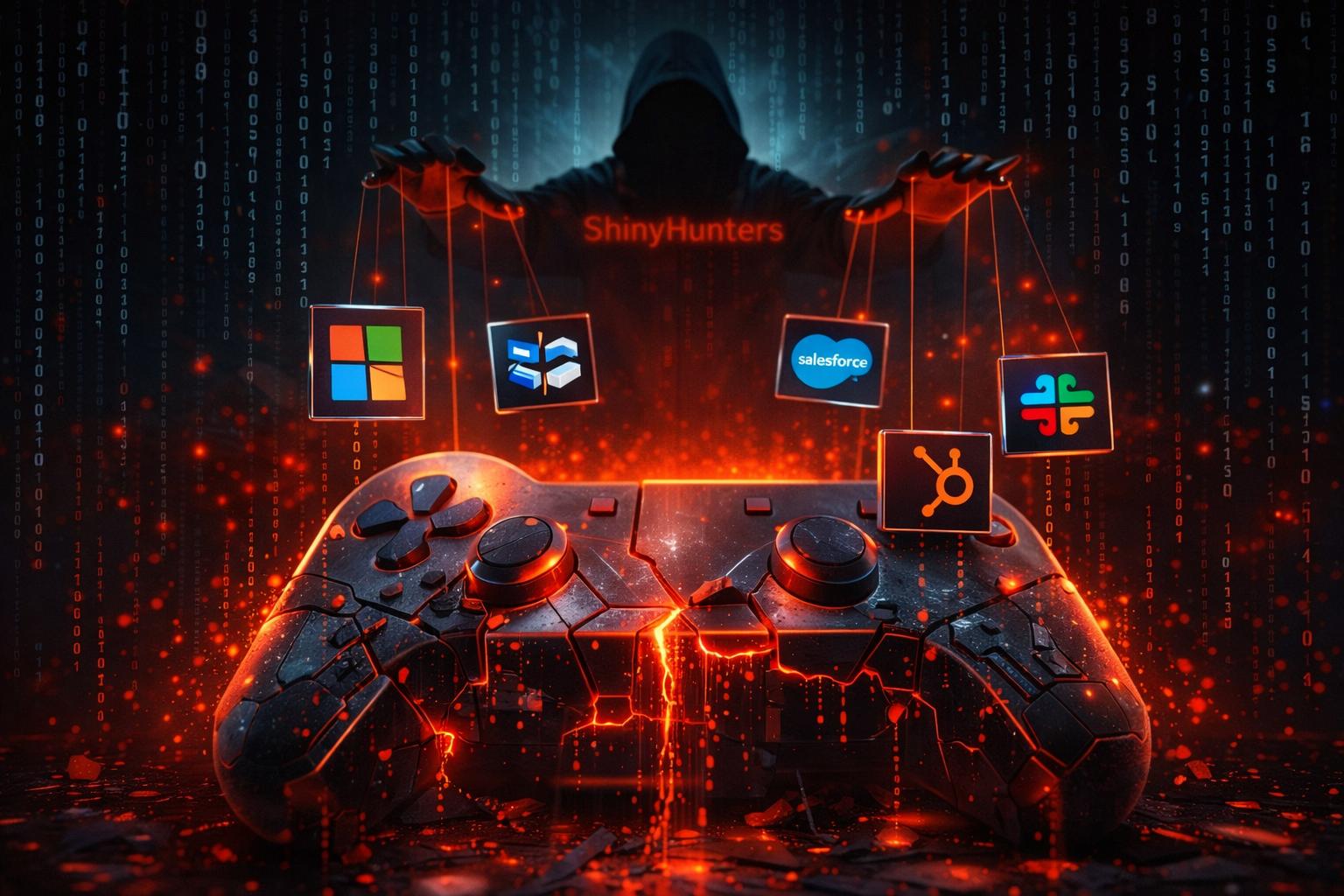
On April 14, 2026, Rockstar Games — the studio behind GTA and Red Dead Redemption — officially confirmed a massive data breach. The notorious hacking group ShinyHunters exploited a third-party integration vulnerability to steal over 78.6 million internal records. This incident not only exposes the cybersecurity fragility of the gaming industry but, more importantly, reveals just how real modern supply chain security threats have become.


The attack vector deserves careful analysis. ShinyHunters' entry point was not Rockstar Games itself, but a third-party service it used — Anodot, an AI-powered cloud cost monitoring and analytics platform. The hackers extracted authentication tokens from Anodot, then used those tokens to impersonate legitimate services and gain access to Rockstar's connected Snowflake data warehouse. In other words, Rockstar's own defenses may have been rock-solid, but the attackers slipped in through a seemingly innocuous cost monitoring tool.


This is precisely what makes supply chain attacks so terrifying: your security strength is only as strong as your weakest link, and that link is often not under your direct control.


The timeline is also telling. On April 11, ShinyHunters posted a warning on the dark web: "Rockstar Games! Your Snowflake instances were compromised thanks to Anodot. Pay or leak. This is a final warning to reach out by 14 Apr 2026 before we leak." Rockstar refused to negotiate, and three days later, the data was published. This "pay or expose" pattern has become the standard playbook for modern extortion attacks.


The good news is that the leaked data reportedly does not contain player passwords, payment information, or personal privacy data, nor does it include any highly anticipated GTA 6 development assets. The 78.6 million records are described as a multi-domain analytics dataset for GTA Online and Red Dead Online. Rockstar also stated that the data was "limited and non-material." However, such a massive volume of operational analytics data could still reveal the company's revenue models, player behavior patterns, and internal business strategies.


ShinyHunters is no newcomer. This hacking group has previously breached Ticketmaster, AT&T, Microsoft, and Cisco using similar vectors — targeting third-party integration points rather than the targets themselves. This attack strategy keeps succeeding because modern enterprise SaaS ecosystems are extraordinarily complex. A mid-sized company may simultaneously use dozens or even hundreds of third-party services, each one a potential entry point.


This incident also occurs within a broader cybersecurity context. In the same week, Microsoft released its April 2026 Patch Tuesday update, fixing 168 vulnerabilities including one actively exploited zero-day. CISA also added six known exploited vulnerabilities to its list, requiring federal agencies to patch by April 27.


My take: The Rockstar Games incident teaches every organization a lesson — you cannot just focus on how high your own walls are; you must also scrutinize whether every merchant passing through your gates is trustworthy. In 2026, where AI tools, cloud services, and third-party integrations are ubiquitous, supply chain security is no longer a "recommended practice" — it is a "survival necessity." Every API key, every authentication token, every third-party connection needs to be treated as a potential attack surface. Companies need more than better firewalls — they need a comprehensive third-party risk management strategy.

Cybersecurity Back to Blog